Intensive planning phase – Early detailed planning leads to planning and cost security – Possibility to produce sample rooms before whole production begins
Weather-independent and efficient prefabrication in the factory – Common seasonal problems except for on site erection are eliminated by indoor manufacturing
Reduction in construction time – Due to the high level of prefabrication, quick assembly can be achieved on the construction site – This means faster completion and therefore earlier use or sale/rental – Conventional construction: 39 construction activities of at least 15 trades – Building with room systems: 6 activities with 5 participants *example building with 40 work steps
Dry construction – “New building moisture” is mostly eliminated; thus also need of energy use for drying out
Long-term use – Changes in use in life cycles usually require renovation work, which require significantly less effort in room systems
Temporary use – possible without any loss of quality. Room systems enable short-term solutions that cannot be achieved using conventional construction methods – unrestricted feasibility, fundamentally possible change of the building structure without loss of quality in terms of building physics, as well as simple dismantling, refurbishment and redesign
Cost reduction – primary factors to be mentioned: 1. Warranty from a single source 2. High quality through industrial prefabrication 3. Less complex conversion if there is a change in use 4. Feasibility
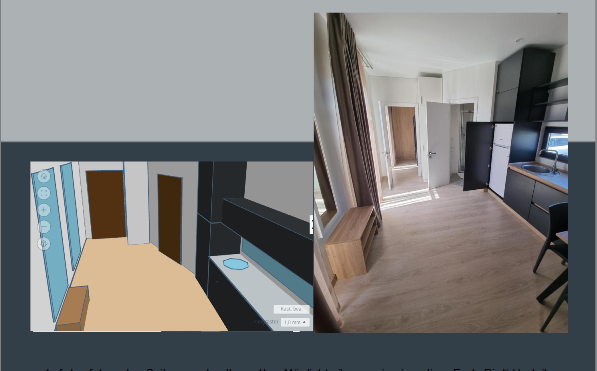
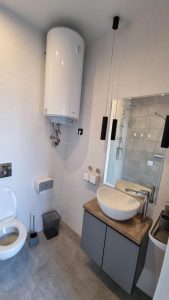
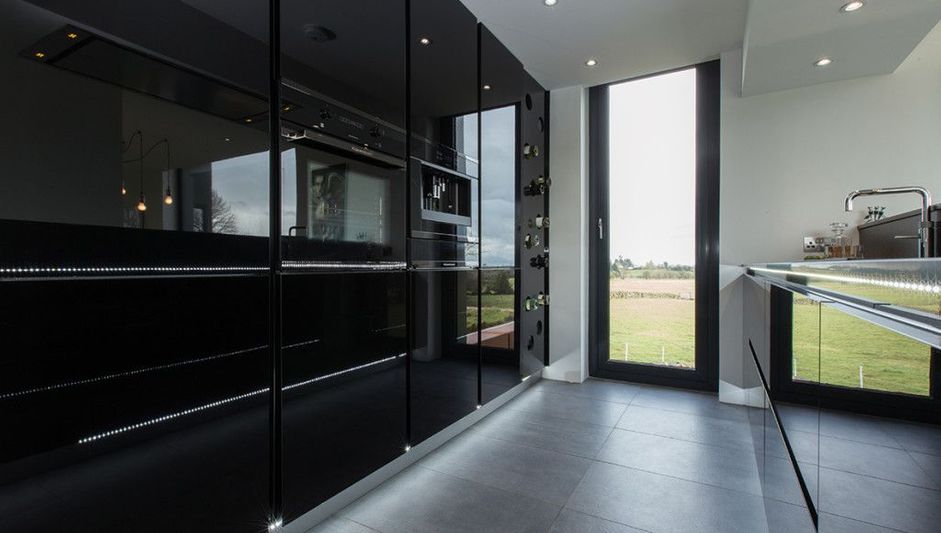
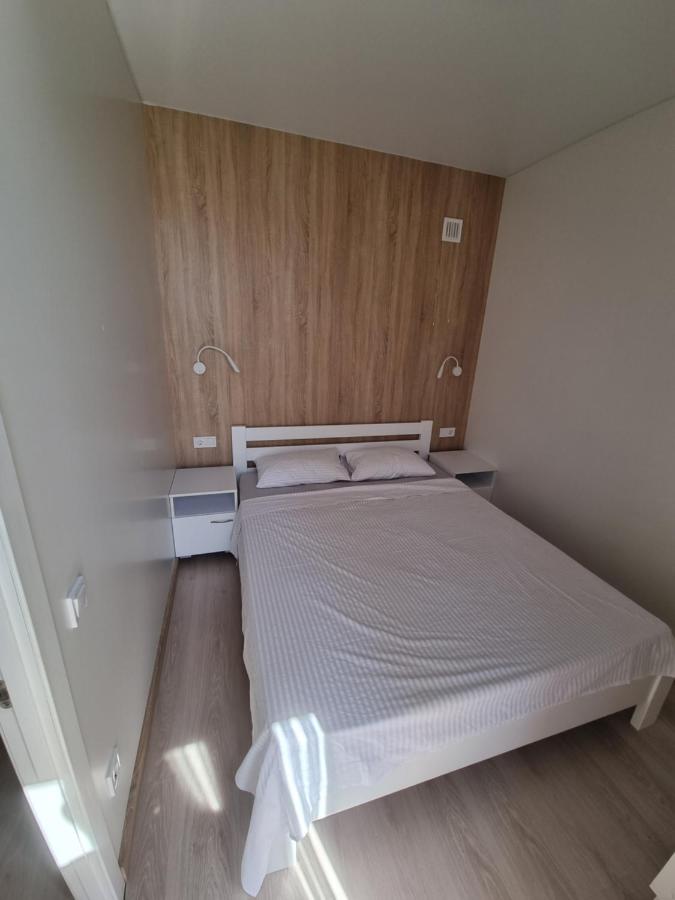
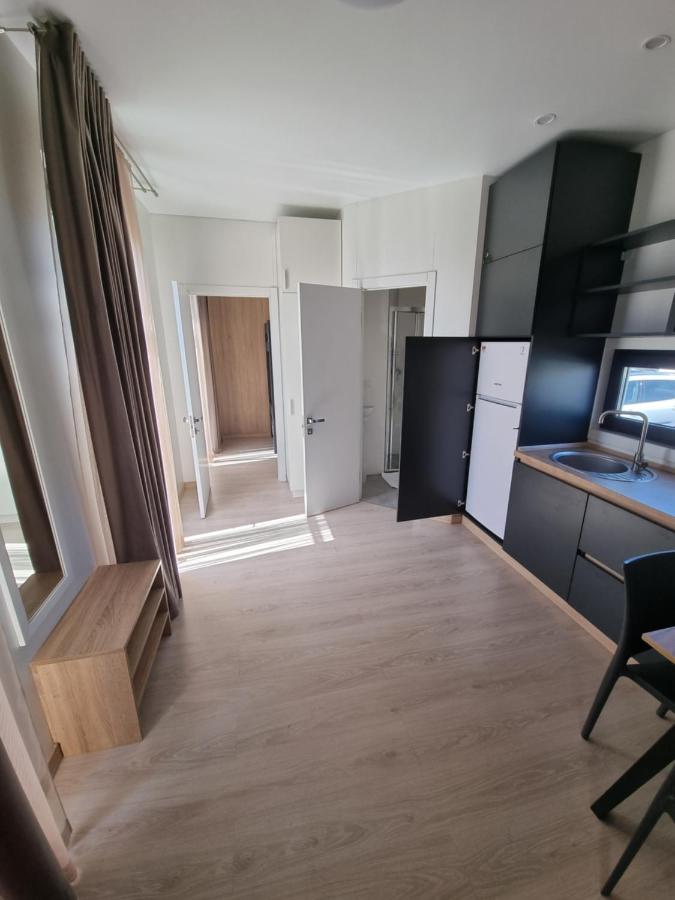
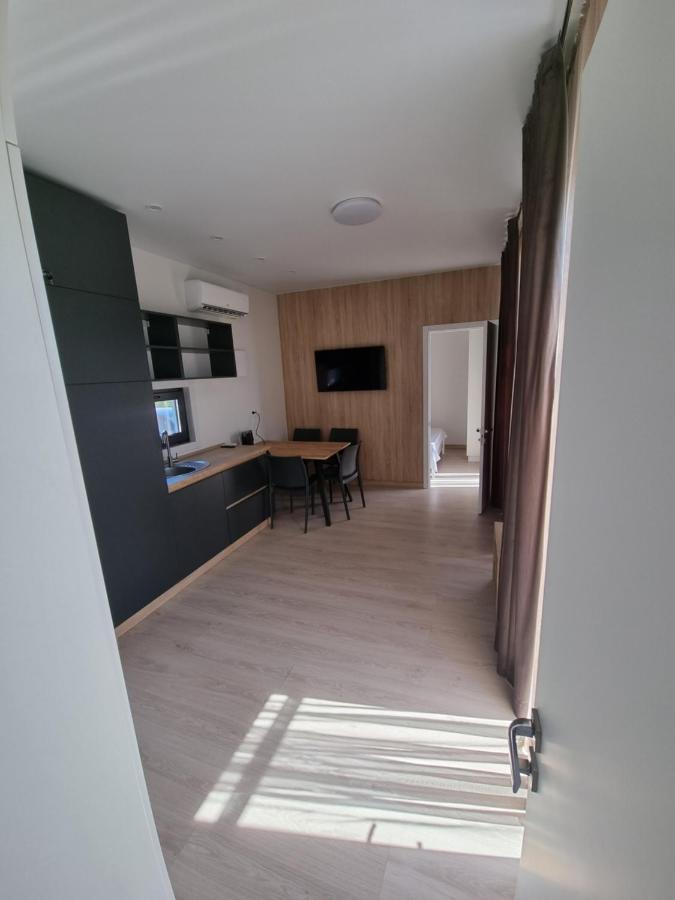
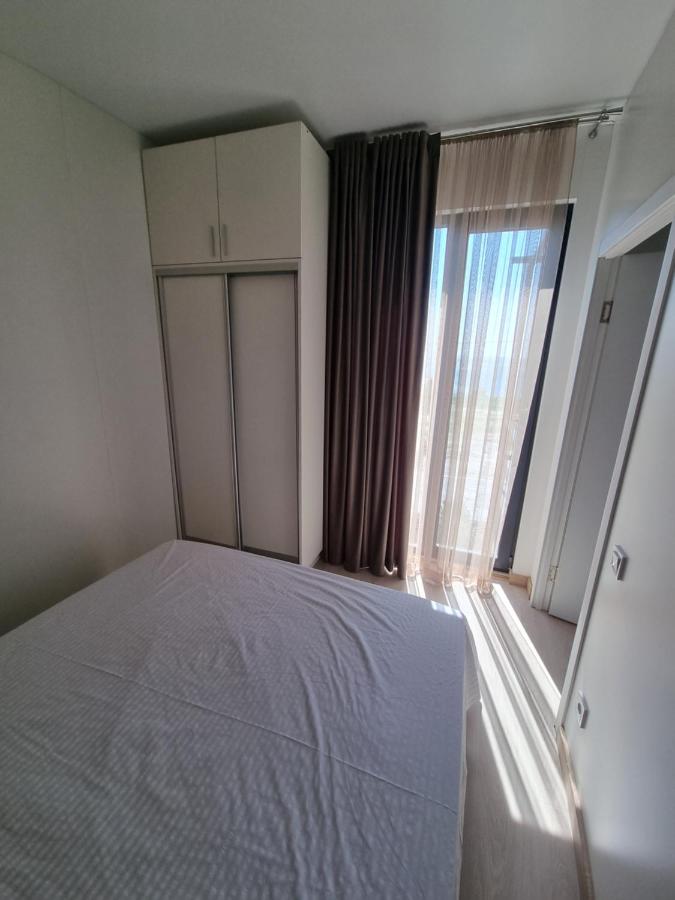
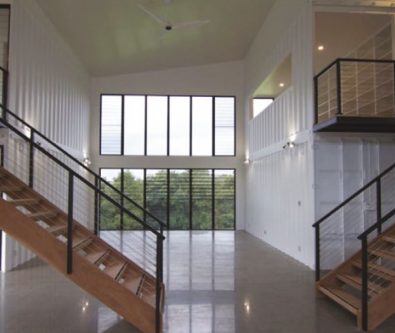
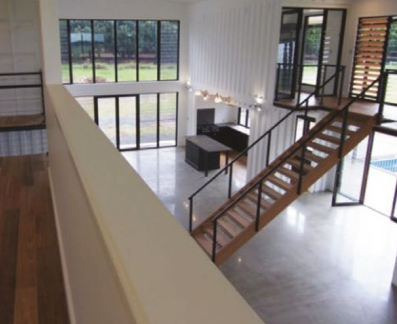
As the following photos show, it is easily possible to implement any type of interior design in modular construction and, thanks to larger open spaces, one can even completely forget that one is in an object constructed in this way.
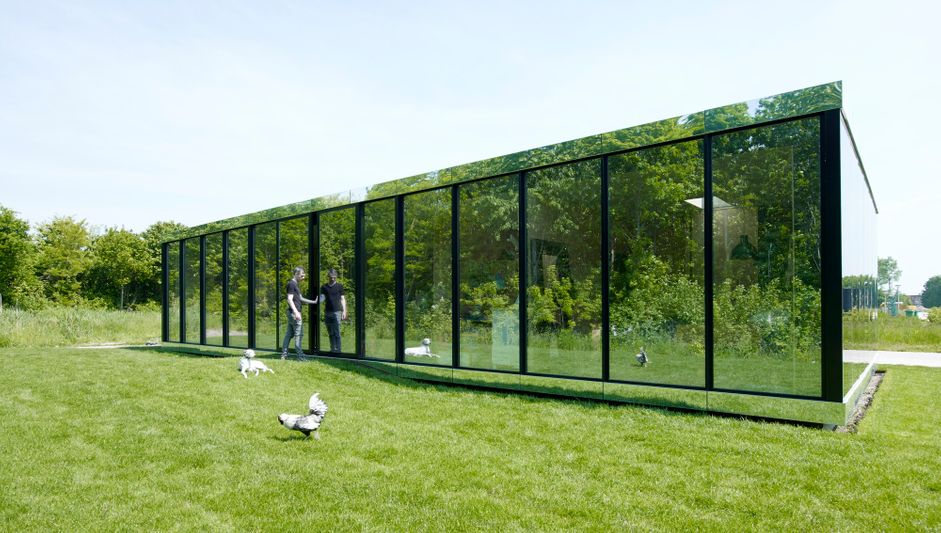
Pictures show a single story house for a family of 4, consisting of modules assembling a “U” shape, with a Roman inspired, part-sheltered inner courtyard
Cost certainty – industrial production requires completed planning, on the basis of which a clean cost calculation is carried out. → Basis for cost security, as is the case with conventional construction, etc. cannot be achieved due to planning during construction, or can only be achieved with a loss of quality
Sustainability / recyclability – Due to their modularity, their ability to be dismantled and reassembled/ of “product recycling” for both temporary and permanent use significant competitive advantages – Furthermore, demolition of modular buildings made of stainless steel is not only more simple, but also more economical because both steel and the high-quality plastics as e.g. Polycarbonate for window(s/layers) can be dismantled quite easily and sold instead from classic paid removal of building rubble.
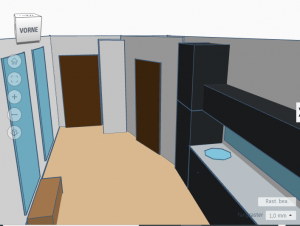
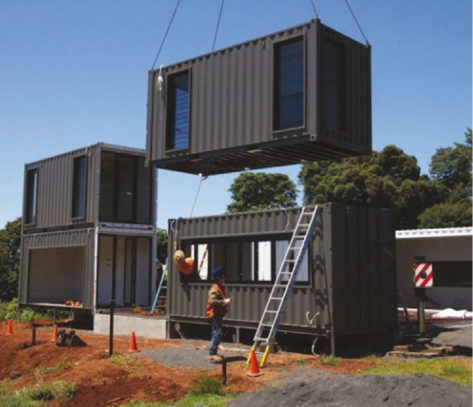
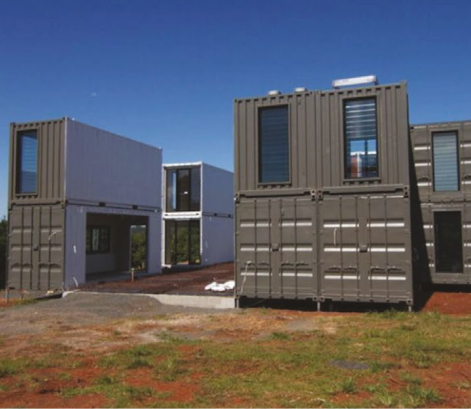
Illustrations show the initial civil project of a model employee house, made from refurbished freight containers; Climate zone permitted construction without insulation;Loss of space in current models: 20-30 cm on each wall, depending on the level of insulation;ballistic protection, through the construction of additional external walls, which are also similar to “Hescos”can be filled with sand/soil, Illustrations show the initial civil project planning of a model employee house made from refurbished freight containers; Climate zone permitted construction without insulation; Loss of space in current models: 20-30 cm on each wall, depending on the level of insulation; also ballistic protection through the construction of additional external walls, which are also similar to “Hescos” can be filled with sand/soil also feasible relatively effortlessly